How Parents Can Boost Teen Confidence is deeply connected to the daily interactions and emotional environment you create at home. Confidence doesn’t grow from one big moment. It grows from the small, consistent interactions teens experience every single day — especially at home. The way you communicate, respond to mistakes, set boundaries, and support independence all become part of your teen’s inner voice.
The good news? You don’t have to be a perfect parent to raise a confident teen. You just need simple, intentional habits that help your teen trust themselves and develop the skills they’ll use well into adulthood.
This guide builds on our previous post about teen goal setting and confidence, but this time, we’re focusing on you — and the powerful role you play.
Teen confidence is shaped by three key things they get from home:
safety, structure, and connection.
When teens feel supported (not pressured), guided (not controlled), and heard (not judged), they naturally learn to trust themselves more. Home becomes the practice ground where they experiment, take small risks, make mistakes, and learn resilience.
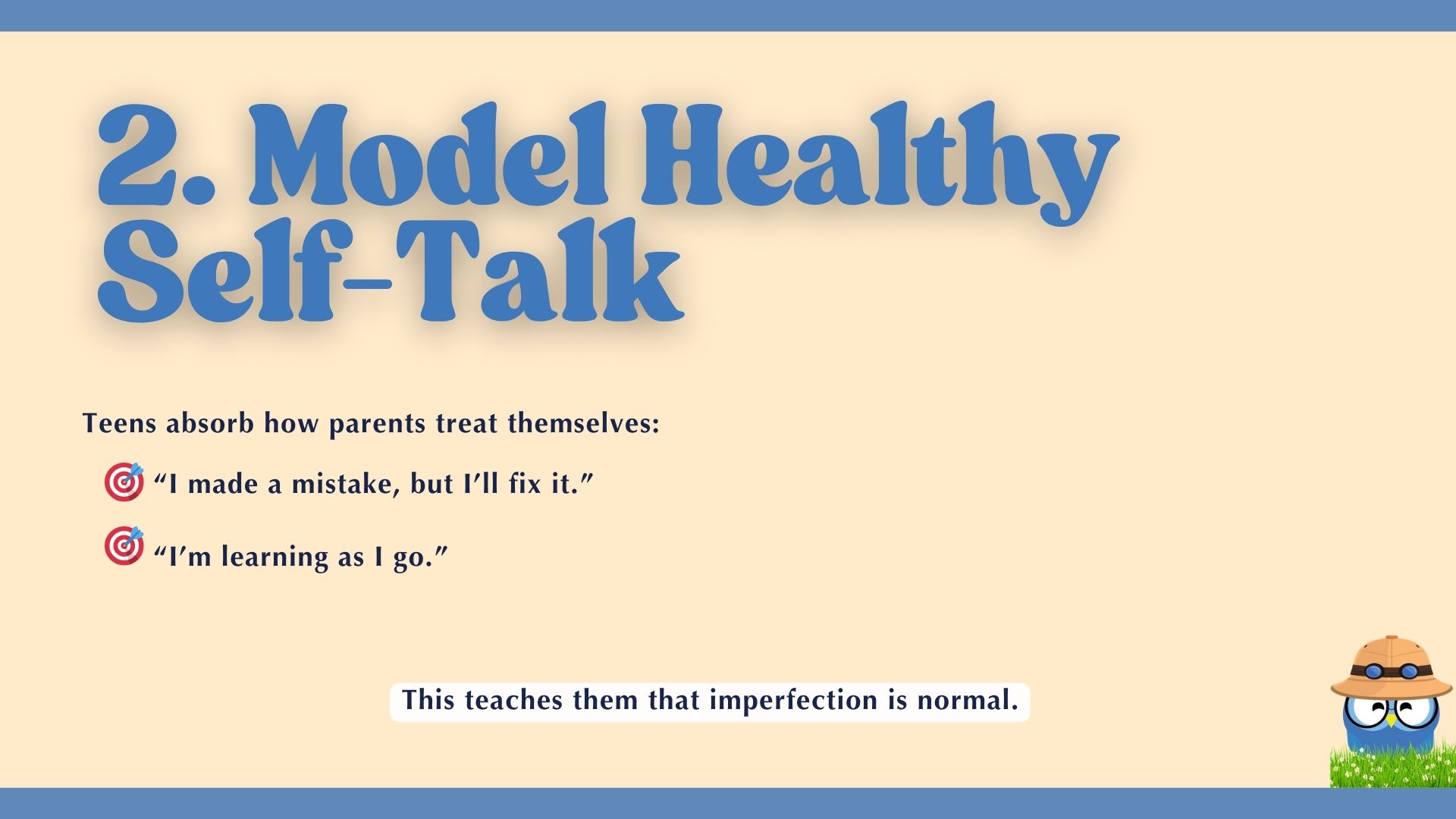
Your reactions become a model for how they talk to themselves:
Confidence grows strongest in environments where teens feel both supported and capable.
You don’t need grand gestures to help your teen feel more confident. Small, steady routines make the biggest difference.
Here are simple habits that build confidence at home:

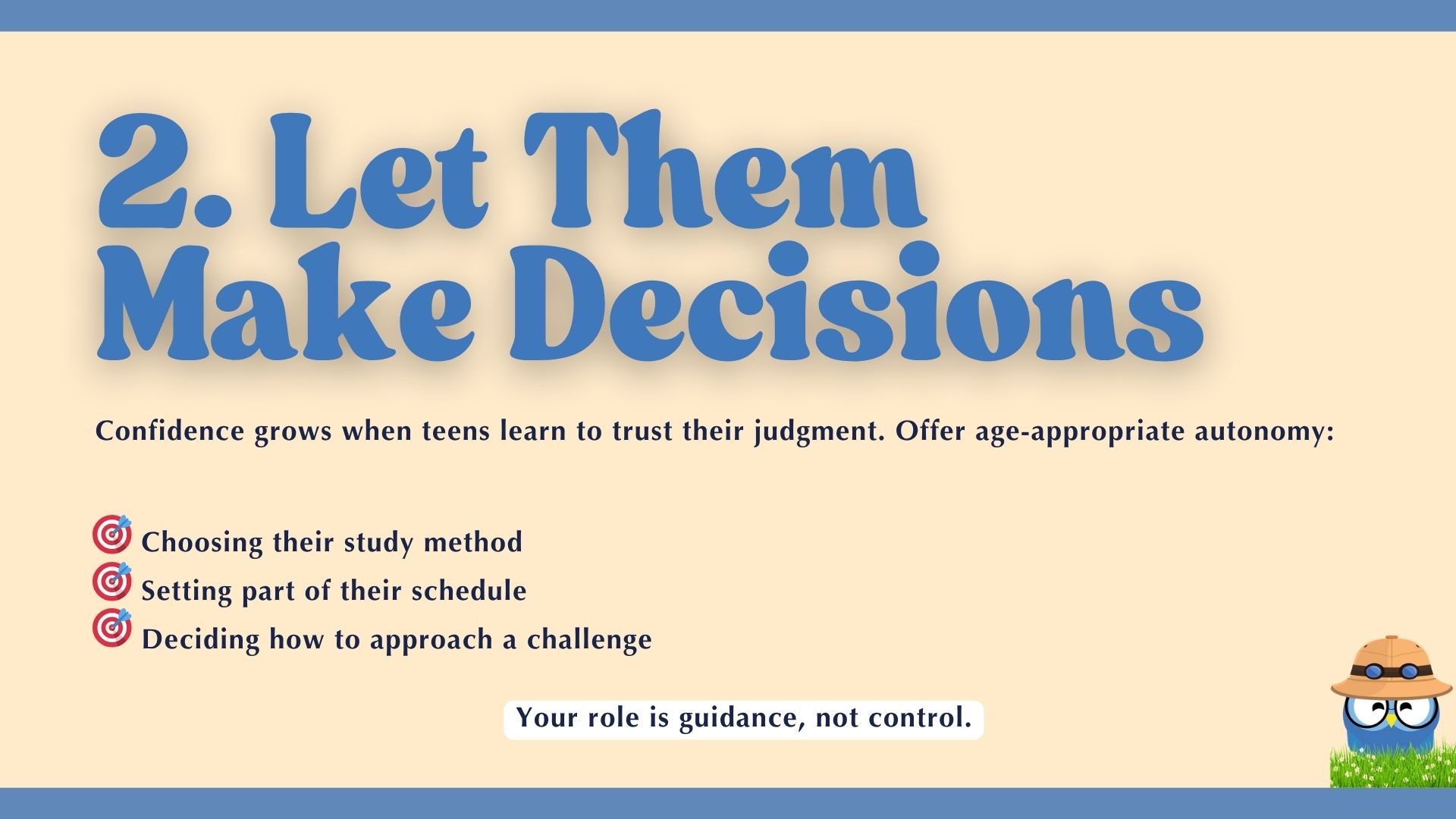
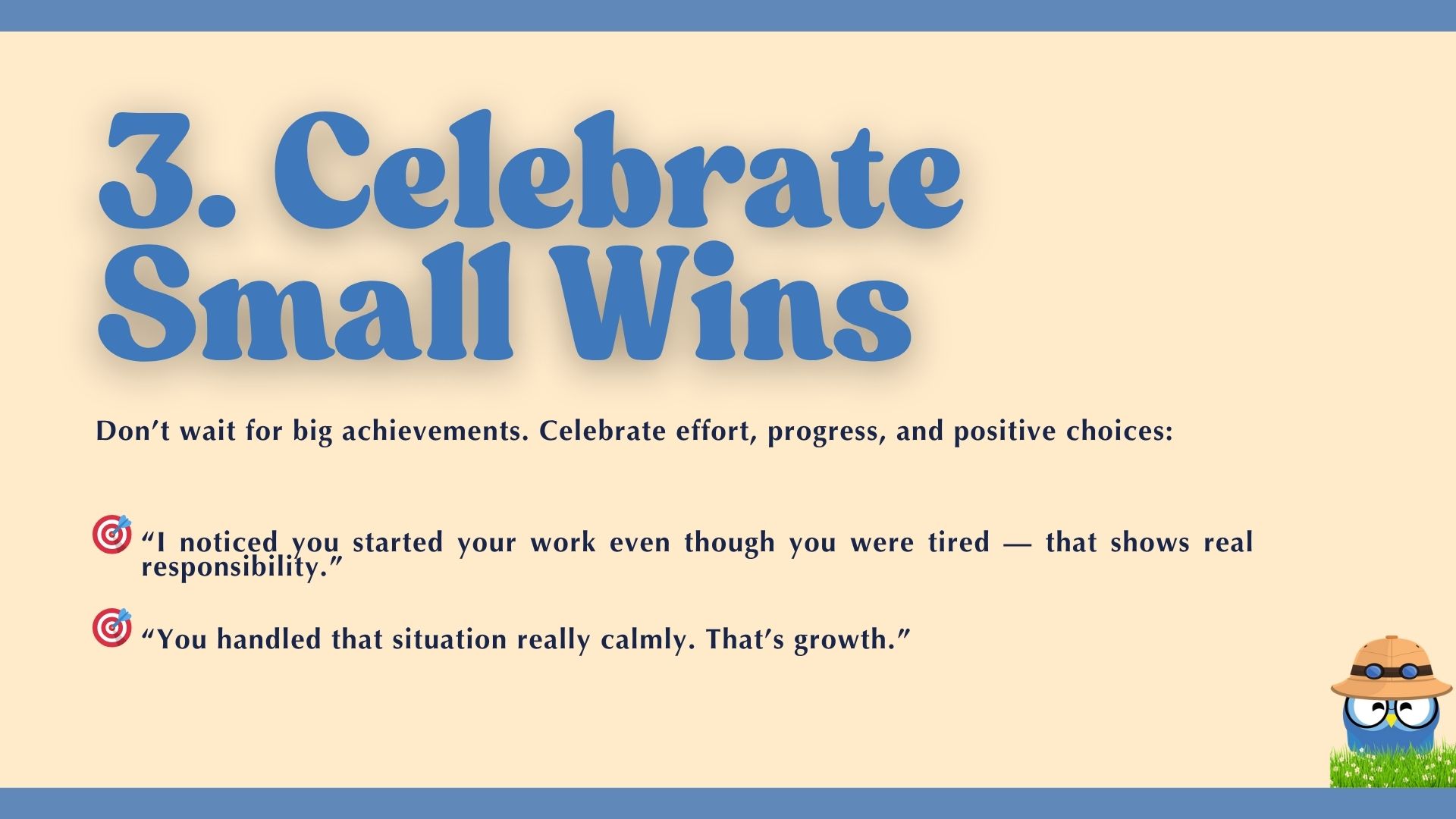
These routines show exactly How Parents Can Boost Teen Confidence through structure, connection, and small moments of support.
What is one small daily routine I can create or improve that helps my teen feel seen and supported?
The way you communicate becomes the blueprint for your teen’s inner dialogue. Supportive communication doesn’t mean less structure — just more empathy and clarity.
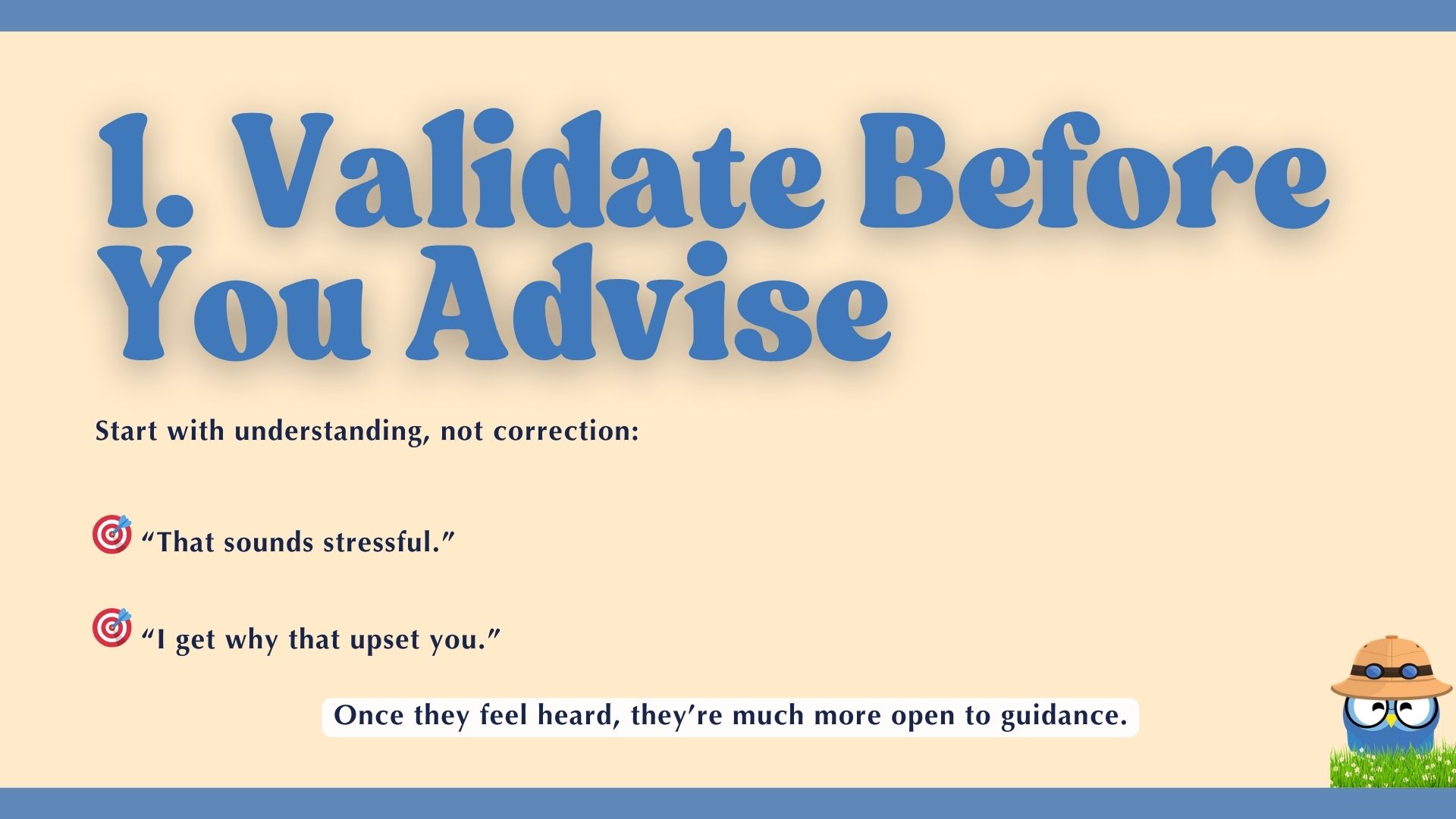
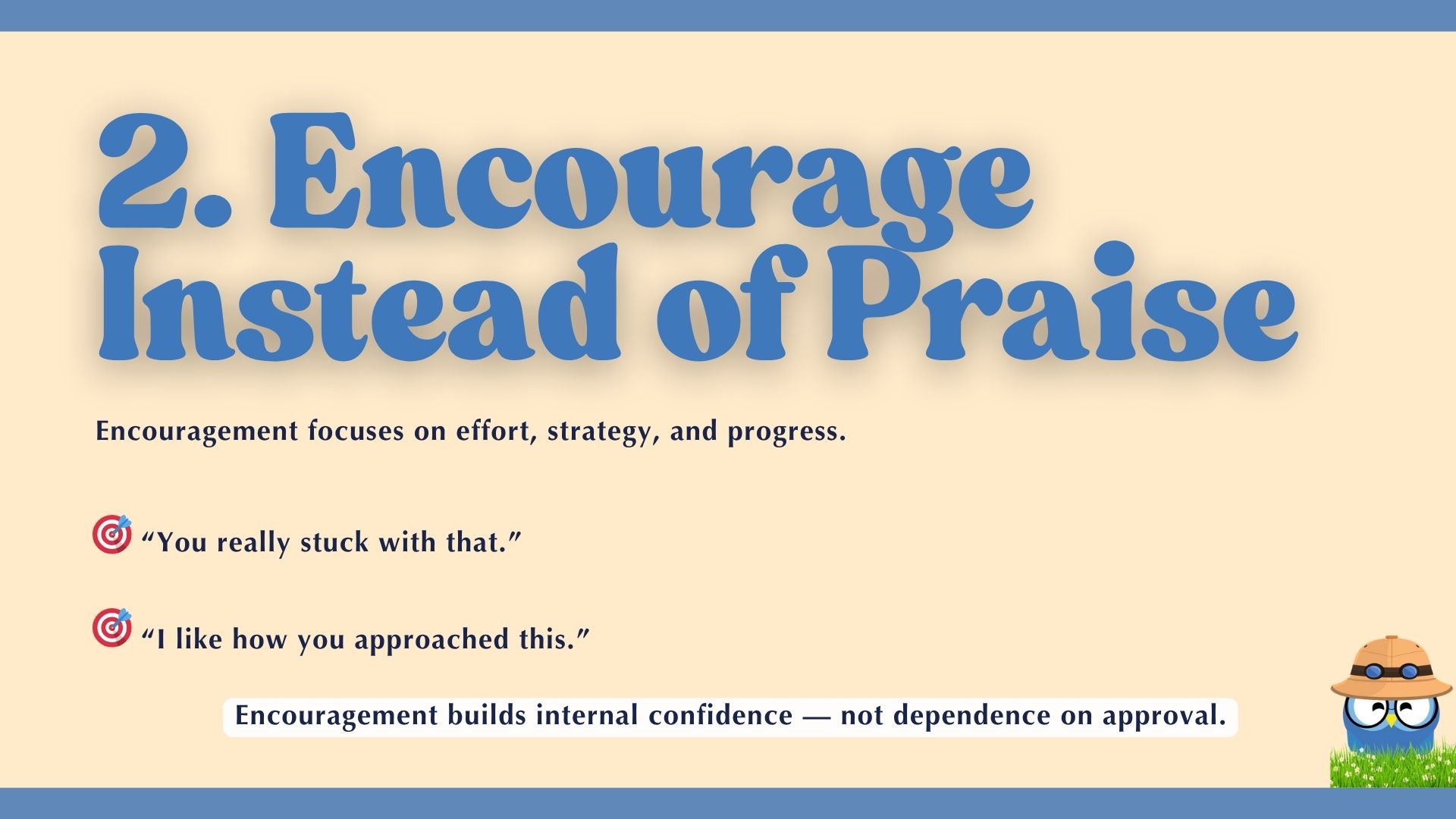
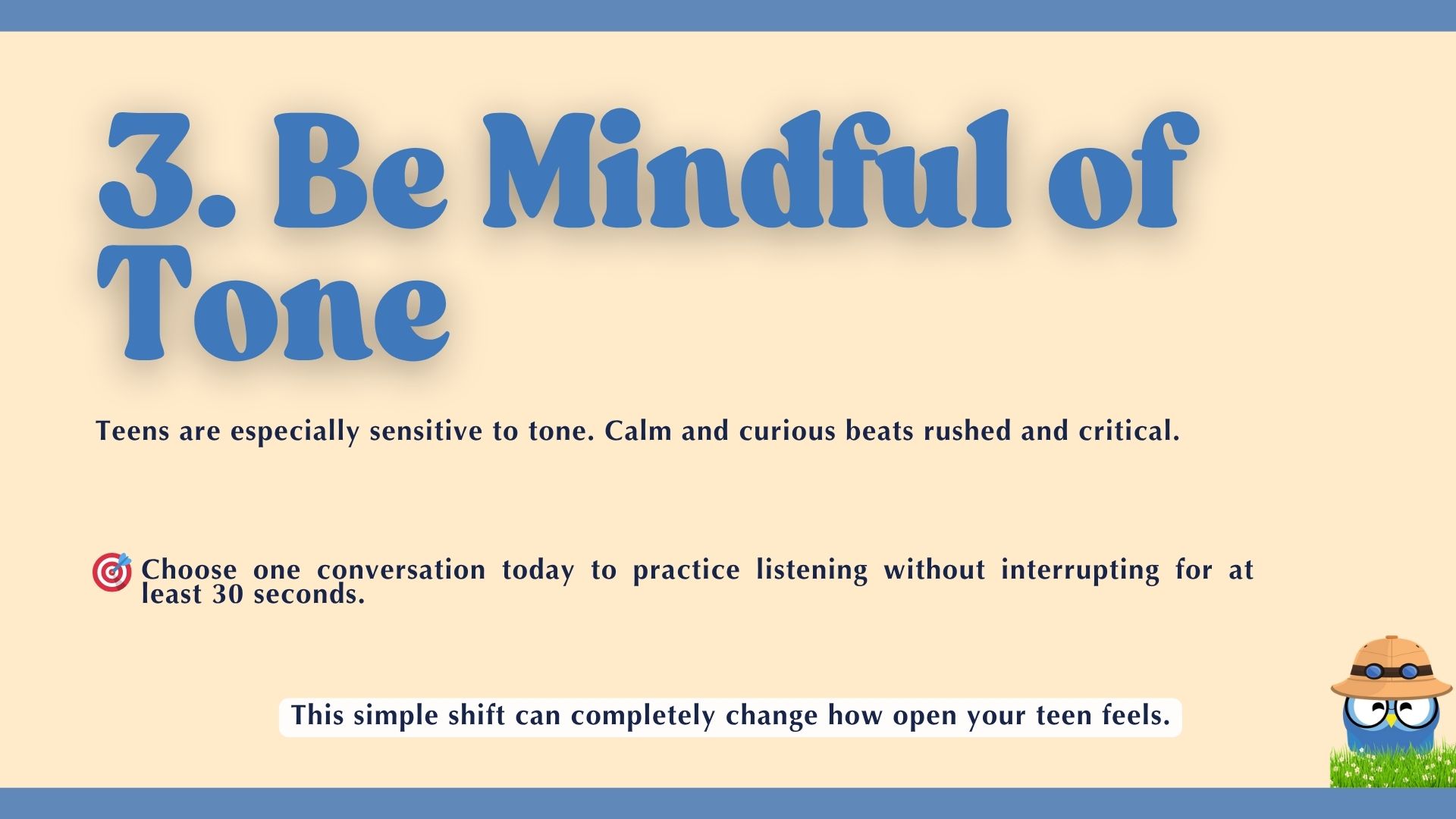
This kind of communication is a core part of How Parents Can Boost Teen Confidence at home without adding pressure.
Setbacks are where confidence is built — if teens learn how to navigate them.


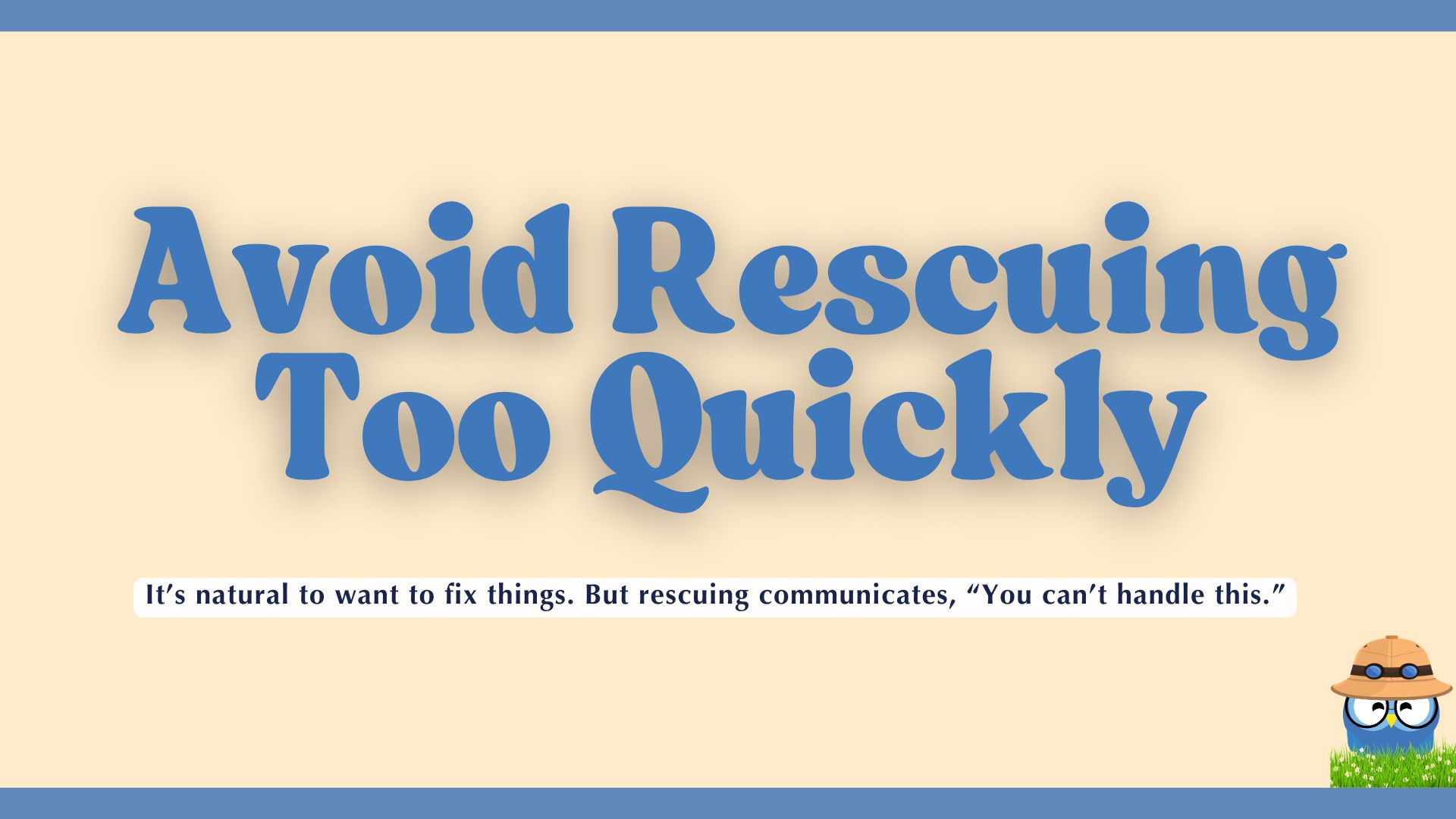
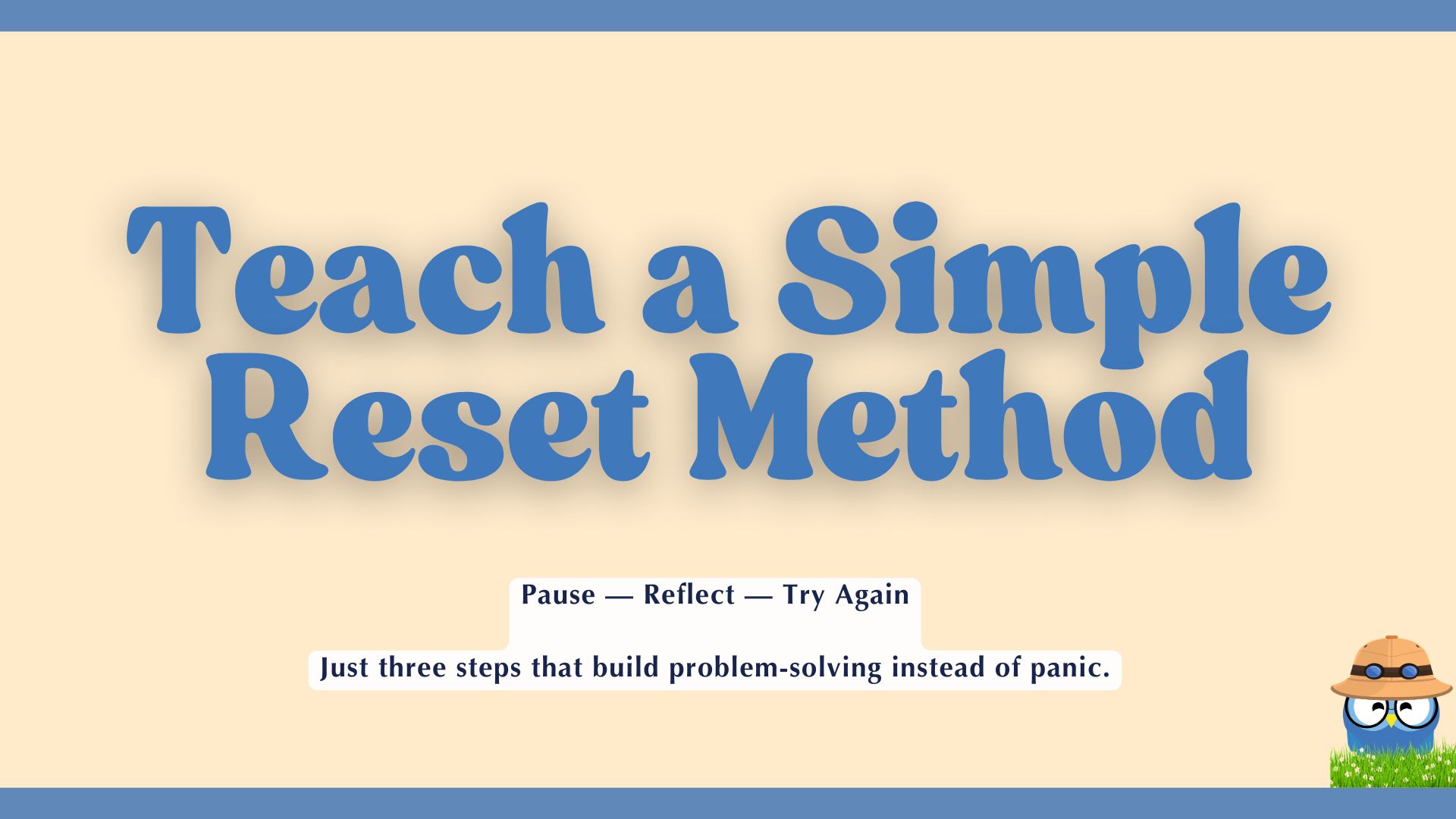
Understanding setbacks as learning moments is another example of How Parents Can Boost Teen Confidence in real-life situations.
Goals give teens direction and purpose — and parents play a huge role in keeping goals healthy, balanced, and motivating.
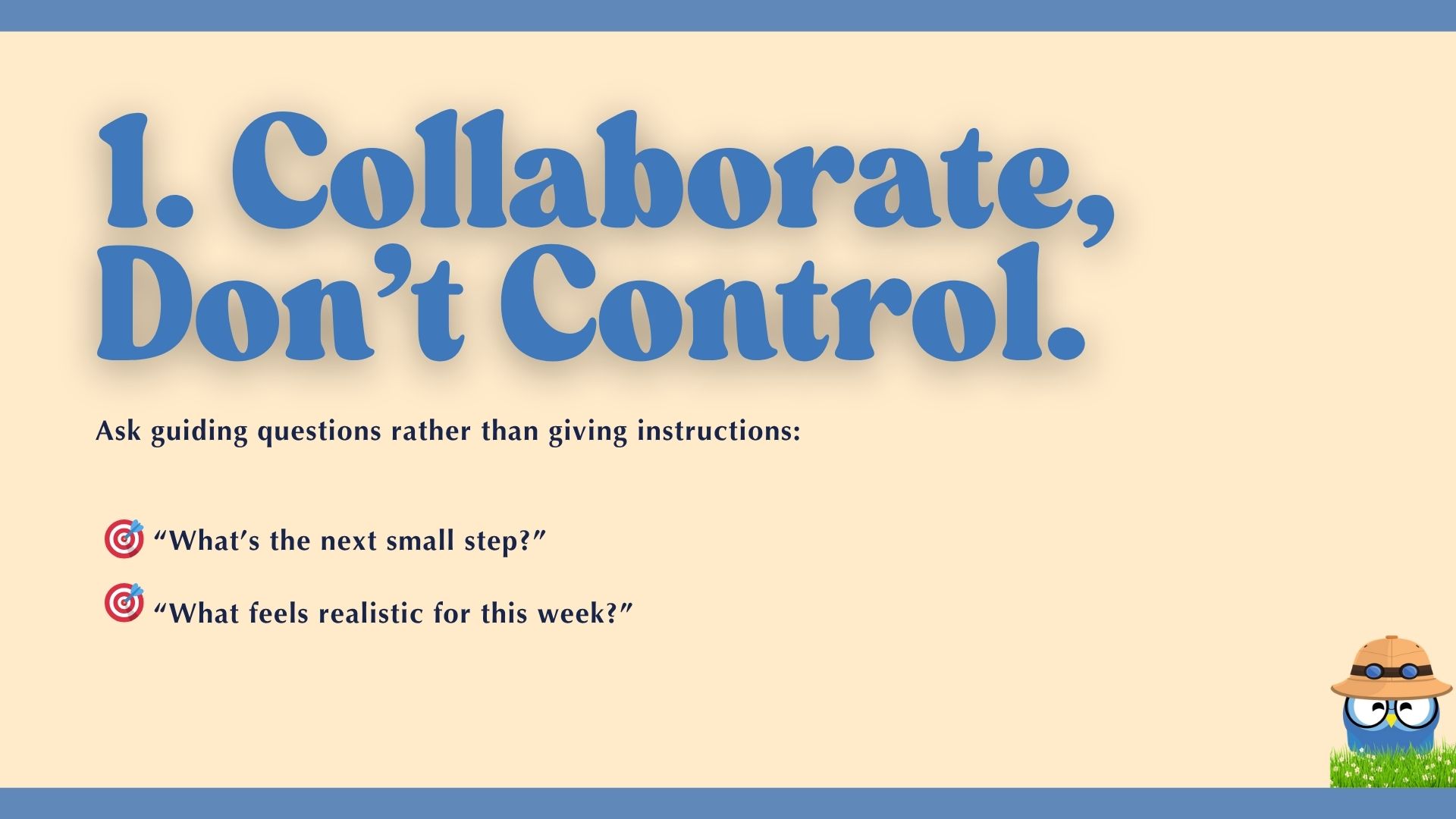
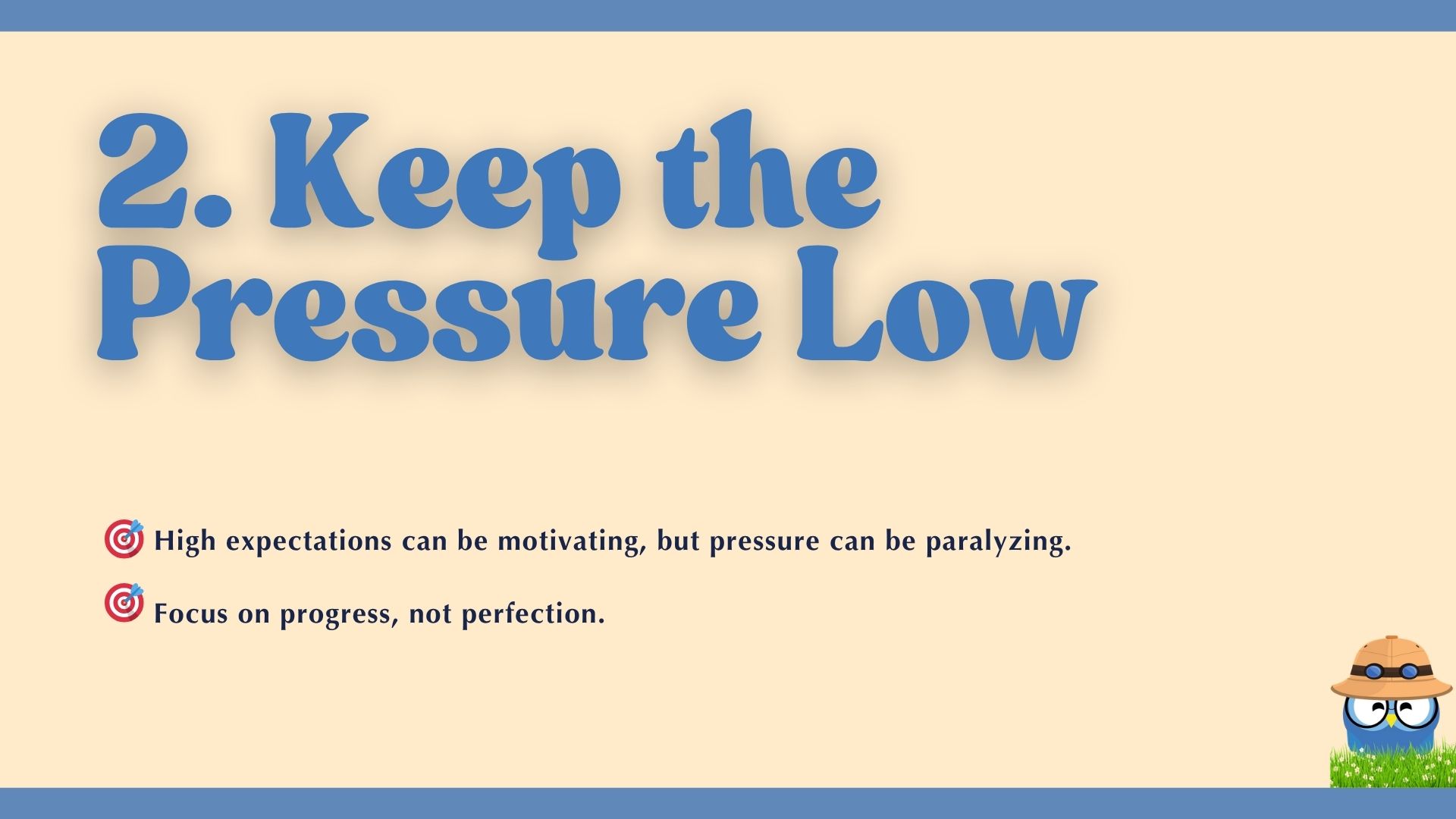

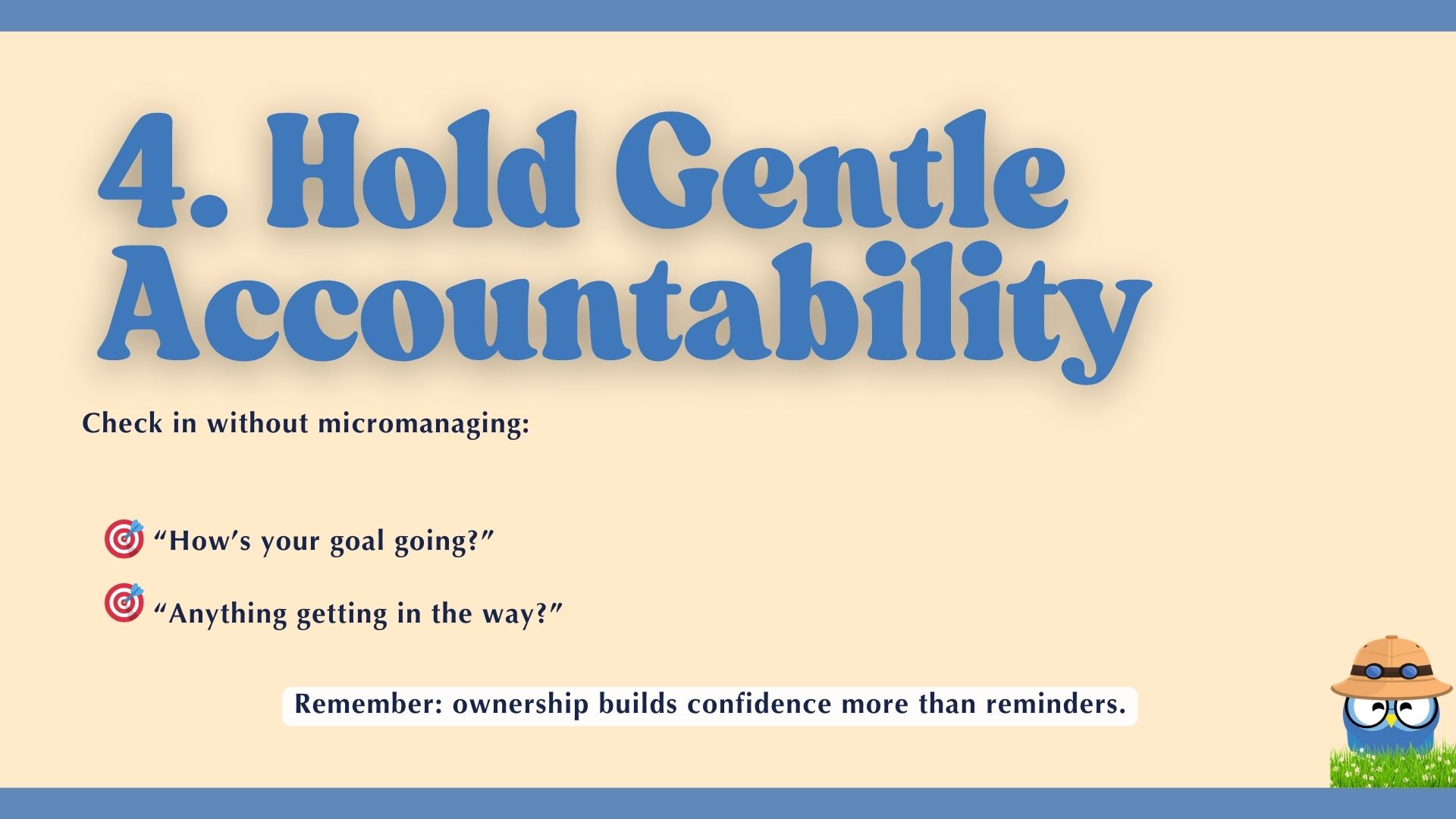
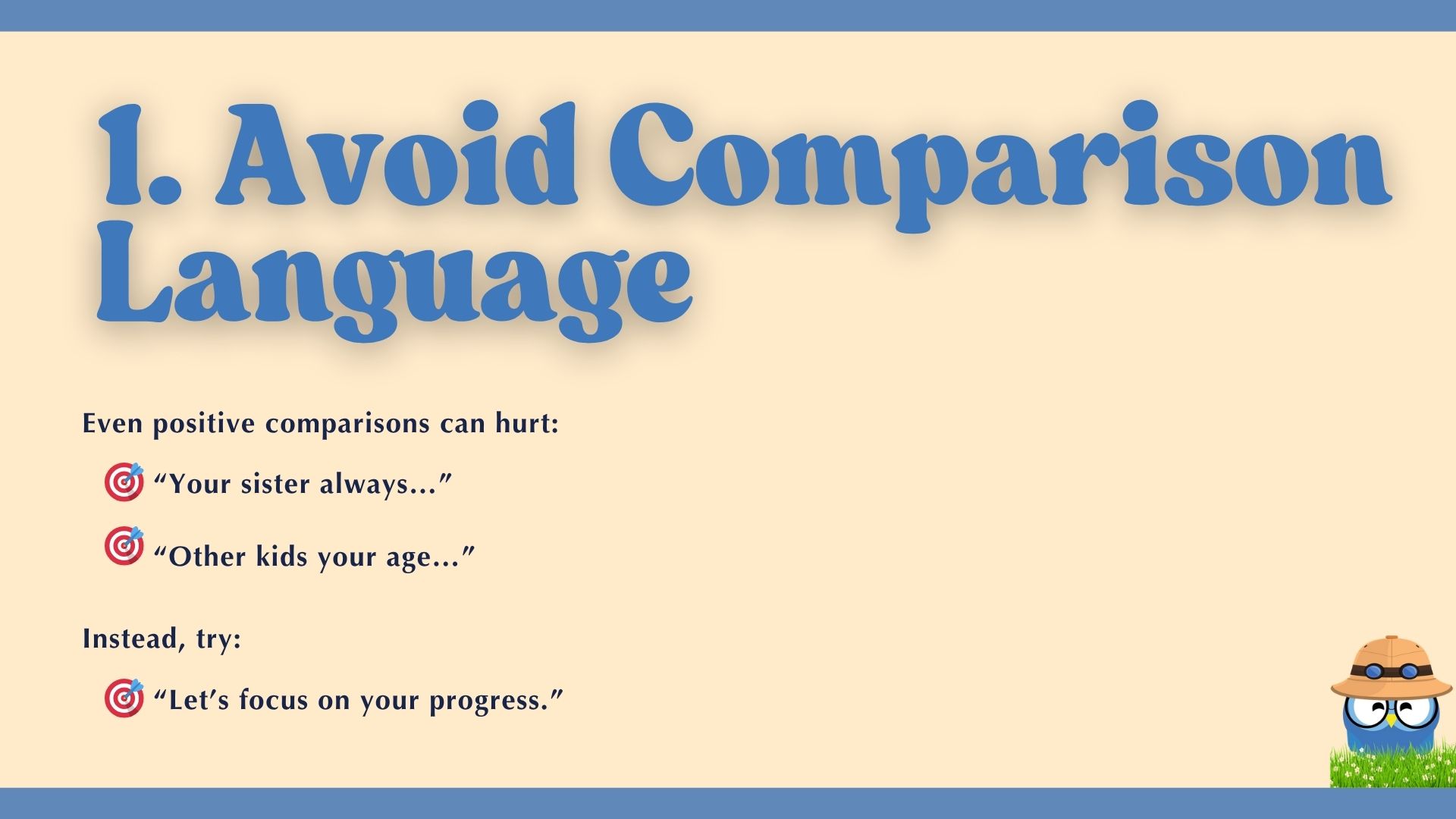
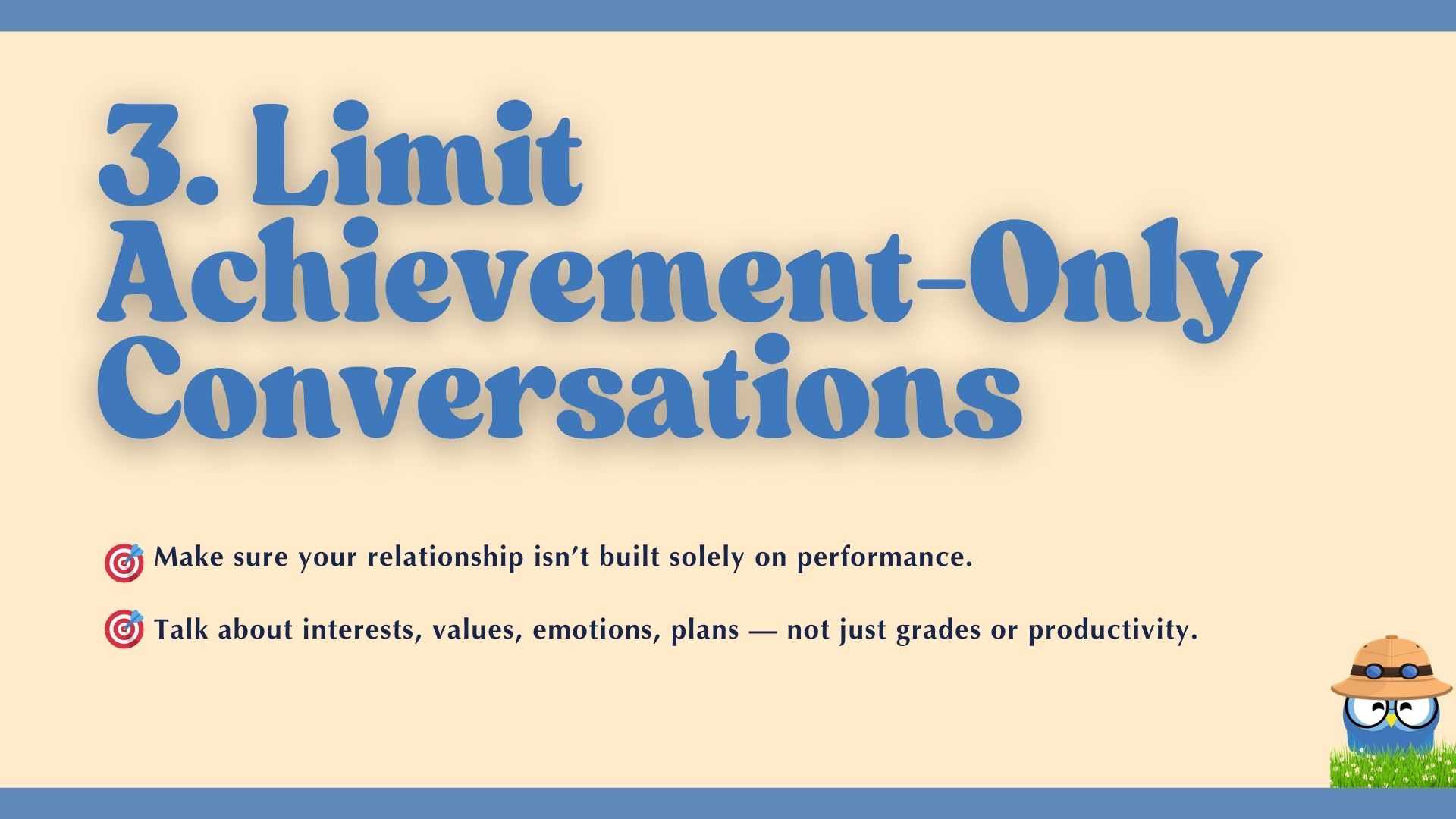
Your home can be a safe zone from outside pressure — especially academic pressure and social comparison.
Raising a confident teen is not about doing everything perfectly. It’s about showing up consistently with empathy, structure, and trust. You’re already doing so much more than you realize.
Confidence is a long process — but every small moment contributes to it. With the right tools, you can create a home environment where your teen feels safe, capable, and supported as they grow.